
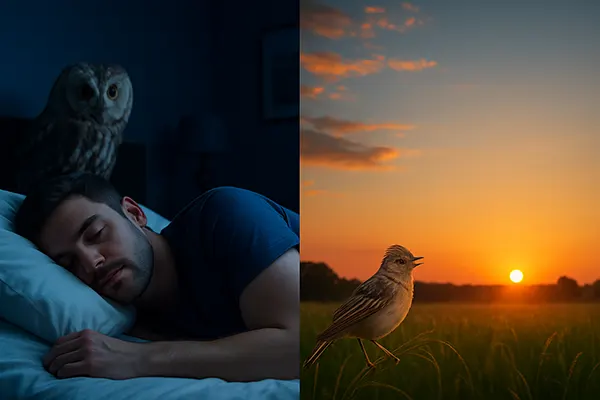
Understanding Your Internal Rhythm: Are You a Lark or an Owl?
Sleep researchers have long confirmed that each person has a biologically anchored circadian rhythm that affects alertness, productivity and general wellbeing. This rhythm influences when we naturally feel energised or sleepy, and paying attention to it helps shape healthier routines. In recent years, chronobiology has expanded our understanding of early and late types, showing that adapting lifestyle choices to these natural tendencies can significantly improve concentration, emotional balance and long-term health.
What Determines Whether You Are a Lark or an Owl
Human circadian rhythms are controlled mainly by the suprachiasmatic nucleus, a cluster of neurons in the hypothalamus that acts as the body’s master clock. It responds to light exposure, hormonal changes and genetic factors, meaning that internal sleep preferences are not simply a matter of habit. By 2025, studies from European sleep institutes have demonstrated that roughly 30% of people naturally lean towards early rising, while around 25% show strong evening preferences, with the remainder falling somewhere in between.
Genetics play a considerable role, including variants of the PER3 gene that influence sleep timing and duration. Individuals with certain variants often find early mornings more tolerable and experience stable energy during the first half of the day. Others are predisposed to later peaks, showing sharper cognitive performance in the evening hours, especially in creative tasks or analytical work that requires sustained attention.
Environmental conditions also shape the rhythm. Exposure to artificial light, irregular work schedules and digital screens can shift the biological clock, sometimes pushing people further toward evening tendencies. However, if a person returns to consistent routines with predictable light-dark cycles, their natural preference usually becomes evident again. Understanding these influences helps avoid unnecessary pressure to conform to schedules that do not support personal wellbeing.
Signs That Reveal Your Natural Chronotype
Most people can recognise their preferred rhythm by monitoring when they feel mentally sharp without caffeine, when they fall asleep most easily and which hours of the day feel naturally productive. Larks tend to wake before sunrise feeling relatively refreshed, struggle to stay awake late at night and find it easier to perform tasks that require precision during the morning.
Owls, in contrast, often feel sluggish early in the day, regardless of sleep duration. Their focus intensifies later, with many experiencing a second energy peak after sunset. They may need more time to reach full alertness after waking, and their productivity tends to increase steadily as the day progresses, reaching its height during late evening hours.
There are also intermediate types with flexible patterns. They may show stable performance across the day but still lean slightly towards one end. Tracking sleep timing, energy waves and concentration patterns for at least two weeks offers a realistic picture of personal chronotype, allowing for more informed decisions about daily routines.
How to Adapt Daily Life to Your Chronotype
Adapting tasks to the body’s natural rhythm improves both efficiency and wellbeing. For larks, placing demanding responsibilities during the first half of the day aligns with their strongest alertness window. Evening routines should be calming and low-stimulation to ensure early sleep remains comfortable and consistent. Aligning mealtimes and light exposure with daytime hours reinforces their internal rhythm.
Owls benefit from gradually shifting stimulating activities to late morning or afternoon, while avoiding the expectation of sharp performance early in the day. They often thrive when working in flexible environments that allow later start times. Exposure to bright natural light shortly after waking can help stabilise their rhythm, though forcing radical changes usually leads to increased stress and reduced sleep quality.
Intermediate chronotypes should maintain steady day-to-day patterns and pay attention to slight variations in energy. They can distribute tasks throughout the day more freely but should still protect their most productive hours by minimising interruptions. Predictable routines, adequate hydration and balanced meals support stable energy levels across all types.
Work, Study and Lifestyle Adjustments
Modern workplaces increasingly acknowledge the importance of chronotype diversity. By 2025, flexible scheduling has become more common across European companies, allowing employees to match work hours with periods of peak concentration. Larks often excel in early meetings, analysis tasks or decision-making sessions, while owls may perform better during afternoon collaborations or creative assignments.
Students can also benefit from adapting their study routines. Morning-oriented learners retain information more efficiently when reviewing complex material after breakfast, whereas evening-oriented learners typically grasp new concepts more effectively later in the day. Adjusting revision timing helps enhance academic outcomes without excessive effort.
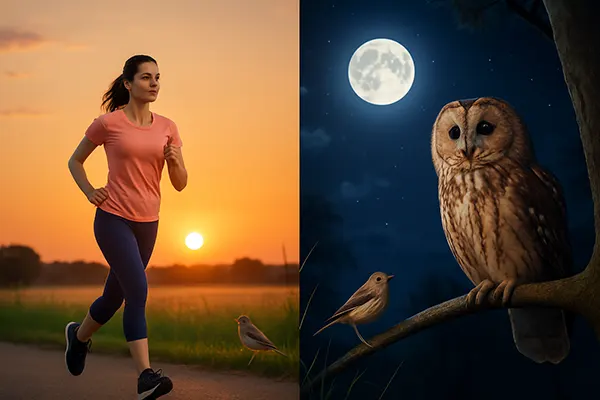
Lifestyle choices, including exercise timing, can be synchronised too. Larks feel energised during morning workouts, while owls often achieve better performance during late-afternoon physical activity. Consistency rather than strict scheduling remains key, supporting smoother circadian rhythms and stable mood regulation.
Supporting Healthy Sleep for Every Chronotype
Regardless of chronotype, high-quality sleep requires a supportive environment. Maintaining a quiet and dark sleeping space, keeping the bedroom temperature cool and reducing blue-light exposure before bedtime remain universal recommendations. These habits allow the body to produce melatonin at the appropriate time, strengthening circadian stability.
Larks benefit from winding down early with calming activities that slow the nervous system and reduce overstimulation. Gentle reading, dim lighting and avoiding intense discussions help ensure they fall asleep naturally. Because they wake early, they should also ensure morning light exposure to reinforce alertness and mood regulation.
Owls, on the other hand, should avoid bright screens late at night, as delayed melatonin release can push their sleep even further. Gradual relaxation routines can help prepare the mind for rest without forcing abrupt changes. Allowing the body to follow its natural pattern while maintaining consistent bedtime and wake times supports healthier long-term sleep behaviour.
Long-Term Health Implications
Research shows that ignoring chronotype can increase stress levels, impair memory formation and disrupt metabolic processes. For instance, persistent social jetlag—being forced to wake much earlier than the internal clock prefers—has been linked to reduced cardiovascular resilience and weaker immune responses. Adjusting routines according to personal rhythm reduces these risks.
Balanced circadian alignment contributes to better emotional regulation. Individuals who follow their natural tendencies often report lower anxiety, improved focus and more stable energy levels throughout the day. This is supported by clinical studies involving sleep monitoring across diverse age groups and work settings.
By understanding chronotype and adapting daily life accordingly, individuals can improve performance, protect health and enhance overall wellbeing. Recognising and respecting internal rhythm is a practical step toward building sustainable habits and a more balanced lifestyle.