
Quiet Luxury in Lifestyle: Why People Choose Quality, Simplicity and Long-Lasting Possessions
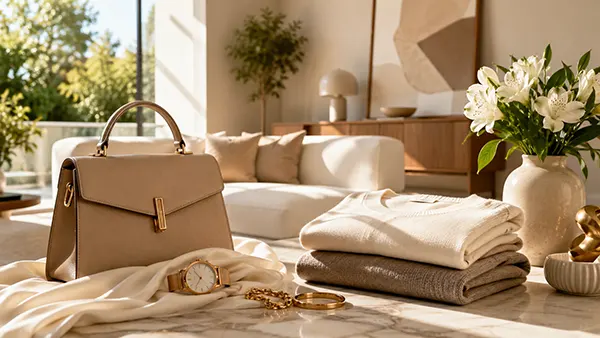
Over the past few years, the idea of luxury has changed significantly. In 2026, many consumers are moving away from highly visible branding and short-lived trends in favour of products that offer lasting value, excellent craftsmanship and practical usefulness. This shift is often described as “quiet luxury” – a lifestyle approach that prioritises quality over excess, durability over constant replacement, and personal satisfaction over public display. Rather than focusing on status symbols, people increasingly invest in items that remain relevant and functional for many years.
The Rise of Quiet Luxury in Modern Lifestyle
Quiet luxury has become closely connected with changing consumer priorities. Economic uncertainty, environmental concerns and a growing awareness of overconsumption have encouraged people to think more carefully about their purchases. Instead of buying multiple inexpensive items that wear out quickly, many individuals now prefer fewer possessions that offer better performance and longer service life.
This trend is visible across fashion, home design, technology and personal accessories. Brands known for premium materials, reliable manufacturing and timeless design continue to attract attention, even when their products lack obvious logos or marketing-driven features. Consumers increasingly recognise that genuine value often comes from quality rather than visibility.
Social media has also influenced this movement, although perhaps not in the expected way. While online networks once encouraged constant displays of wealth, many users now appreciate authenticity, simplicity and thoughtful consumption. As a result, understated elegance often receives more respect than obvious extravagance.
Why Minimalism and Luxury Are No Longer Opposites
For many years, luxury was associated with abundance. Today, however, minimalism and luxury frequently complement one another. Owning fewer possessions allows people to focus on products that genuinely improve daily life rather than creating unnecessary clutter.
A carefully selected wardrobe made from high-quality fabrics can provide greater satisfaction than dozens of trend-driven garments. The same principle applies to furniture, kitchen equipment and personal electronics. When products perform reliably for years, consumers often spend less time replacing them and more time enjoying them.
This approach supports financial efficiency as well. Although premium products may require higher initial spending, their durability often reduces long-term costs. Many consumers now evaluate purchases based on cost per year of use rather than purchase price alone.
The Importance of Quality and Craftsmanship
One of the defining characteristics of quiet luxury is appreciation for craftsmanship. Consumers increasingly want to understand how products are made, where materials originate and what standards manufacturers follow during production. Transparency has become an important factor in purchasing decisions.
In fashion, natural fibres such as wool, cashmere, linen and organic cotton remain highly valued because of their durability and comfort. In furniture and interior design, solid wood, natural stone and carefully engineered materials continue to outperform many low-cost alternatives in terms of longevity.
Technology buyers are also showing greater interest in repairability and long-term software support. Devices that remain functional for many years are becoming more attractive than products designed around rapid replacement cycles. This reflects a broader preference for ownership that extends beyond short-term convenience.
How Durable Products Support Sustainable Living
Sustainability has become an important consideration in lifestyle decisions. When products last longer, fewer resources are required for manufacturing, transportation and disposal. As a result, durable goods often contribute to lower environmental impact over time.
Many consumers now research product lifespans before making purchases. Reviews, independent testing and manufacturer guarantees provide useful information that helps buyers assess long-term value. This behaviour reflects a more informed and responsible approach to consumption.
Repair culture has also experienced renewed interest. Instead of discarding products at the first sign of wear, people increasingly choose repair services, replacement components and professional maintenance. This extends product life and supports more sustainable consumption patterns.
How Quiet Luxury Shapes Consumer Behaviour in 2026
By 2026, quiet luxury influences not only purchasing habits but also broader lifestyle choices. People increasingly seek experiences and possessions that align with their personal values rather than external expectations. Authenticity, functionality and comfort have become key decision-making factors.
Financial awareness plays a major role in this shift. Consumers pay closer attention to ownership costs, maintenance requirements and expected product lifespan. This mindset encourages more deliberate spending and reduces impulse purchases driven by temporary trends.
At the same time, quiet luxury reflects a desire for stability in a rapidly changing world. Timeless products provide consistency and reliability, helping people build environments that feel comfortable and enduring rather than constantly changing.
The Future of Thoughtful Consumption
Experts expect the demand for long-lasting, well-designed products to remain strong throughout the coming years. As information becomes more accessible, consumers are likely to continue evaluating products based on measurable quality indicators rather than marketing messages alone.
Businesses that prioritise durability, transparency and responsible production may gain long-term trust from customers. Companies that focus exclusively on short product cycles could face increasing pressure from buyers who value longevity and reliability.
Quiet luxury is ultimately less about spending more and more about spending wisely. By choosing quality, simplicity and durability, people create lifestyles that combine practicality, comfort and lasting value. This approach reflects a broader cultural movement towards thoughtful ownership and more meaningful consumption.