
How People’s Digital Habits Are Changing: From Social Media to Online Casino Entertainment
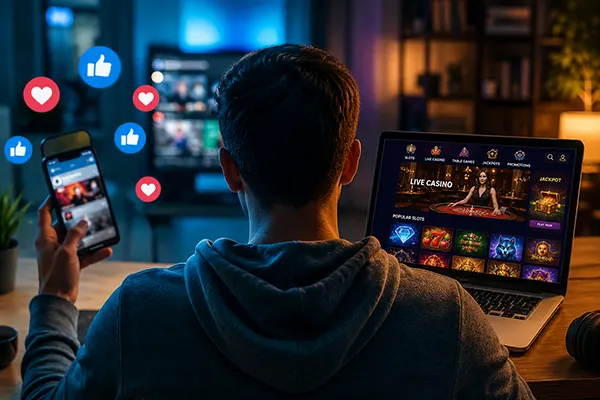
The way people spend their time online has undergone noticeable changes in recent years. Social media continues to play a major role in everyday communication, but it is no longer the only destination for digital leisure. Users are increasingly exploring other forms of online entertainment that offer more interaction, personal choice, and active participation. This shift reflects changing expectations about how people want to spend their free time in an increasingly connected world.
The Evolution of Online Behaviour
For many years, social networks dominated online activity. Platforms focused on sharing photos, videos, and personal updates became central to digital life. However, as content volumes increased and feeds became more crowded, many users began searching for alternative ways to spend time online. Entertainment is now spread across streaming services, gaming communities, interactive applications, and other specialised digital environments.
Short-form video content has also influenced user expectations. People have become accustomed to immediate access, personalised recommendations, and experiences that require minimal waiting time. These habits now affect how users consume entertainment, access information, and choose digital services.
Another noticeable trend is the growing demand for interactive entertainment. While social media remains popular, many users now spend part of their online leisure time on gaming services that offer a more active form of engagement. The popularity of online casinos has also increased as people look for alternatives to passive content consumption, and Nolimitway casino is among the services that cater to this demand through extensive game libraries and live casino experiences.
Why Interactive Entertainment Is Growing
Unlike traditional content feeds, interactive entertainment encourages direct participation. Users can make decisions, compete, communicate with others, and influence outcomes in real time. This creates a different level of engagement compared with simply scrolling through updates or watching short videos.
Advances in technology have made these experiences more accessible than ever. Faster internet connections, improved mobile devices, and better software design allow users to access games and entertainment services quickly and conveniently. As a result, digital entertainment has become more diverse and available to broader audiences.
Another factor behind this growth is personalisation. Modern online services analyse preferences and behaviour to recommend relevant content. Whether someone prefers video streaming, gaming, or casino entertainment, tailored recommendations help users find experiences that match their interests.
Online Casinos as Part of Modern Digital Leisure
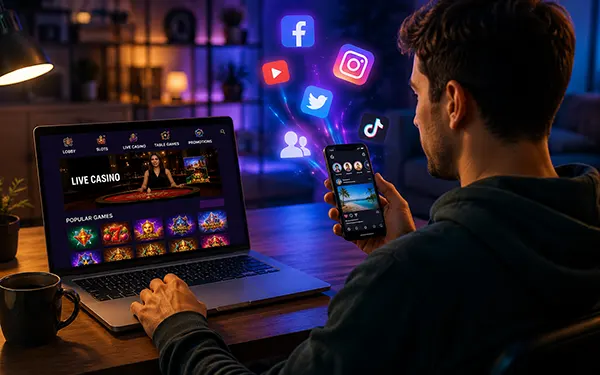
Online casinos have become one component of the wider digital entertainment landscape. Many adults now divide their leisure time between several activities, including social networking, video streaming, online gaming, and casino products. Rather than replacing one another, these forms of entertainment often coexist within daily digital routines.
The appeal of online casinos is linked to their interactive nature. Slot games, table games, and live dealer experiences require active participation and offer a different experience from passive content consumption. For some users, this creates a stronger sense of involvement than traditional social media browsing.
Live casino technology has been particularly influential in recent years. By connecting players with real dealers through video streaming, operators have introduced a more immersive environment that combines elements of traditional casinos with the convenience of online access.
The Future of Digital Entertainment Choices
Digital habits are expected to continue evolving as technology advances. Users increasingly select entertainment based on convenience, relevance, and the level of interaction offered. This trend is likely to encourage further growth across a variety of digital entertainment sectors.
Artificial intelligence is already shaping how users discover content. Recommendation systems influence what people watch, read, and play, creating highly personalised online experiences. Future developments may make these systems even more sophisticated while increasing the importance of transparency and responsible data use.
As consumer preferences continue to change, successful digital services will be those that provide value, convenience, and meaningful engagement. The transition from social-media-focused activity towards a broader mix of online entertainment demonstrates how rapidly digital behaviour can adapt to new opportunities and technologies.